
You start strong. Meal prep Sunday? Check. Gym打卡 three times this week? Done. Then—life happens. One stressful email, one sleepless night, and you’re elbow-deep in a bag of chips, swearing it’s your last relapse. Again. And again. The problem isn’t willpower. It’s your Mindset FAQs—those unspoken, looping questions running under the surface that dictate whether discipline sticks or evaporates.
Why “Just Eat Less, Move More” Fails 92% of People
Because biology doesn’t negotiate with slogans. When you ignore the mental architecture behind hunger cues, emotional triggers, and identity-level beliefs, you’re fighting your own nervous system. Diet culture sells simplicity. Real change demands psychological precision.
And the brutal truth? Most motivation tactics are built for robots—not humans wired for comfort, connection, and instant relief. You don’t lack discipline. You lack a coherent internal narrative that aligns action with self-worth.
Your Step-by-Step Mindset Reset Protocol
This isn’t about positive affirmations or vision boards. It’s cognitive re-engineering—rewiring how you frame effort, failure, and progress. Start here:
Replace “I should” With “I choose”
“I should work out” feels like obligation. “I choose to move because I respect my body” shifts agency back to you. Language shapes neural pathways—fast.
Redefine Success Weekly
Forget scale worship. Did you sleep 7+ hours? Say no to late-night snacking without guilt? Those are wins. Track behavioral consistency—not just outcomes.
Practice Strategic Self-Compassion
After a slip-up, ask: “What did this teach me?” Not “Why am I so weak?” Shame fuels binge cycles. Curiosity breaks them.

| Mindset Approach | Short-Term Cost | Long-Term ROI | Relapse Risk |
|---|---|---|---|
| Punitive restriction (“No carbs ever!”) | Low upfront effort | Negative (metabolic slowdown, binge urges) | Very High |
| Flexible consistency (“80/20 with protein focus”) | Moderate planning | High (sustainable fat loss + muscle retention) | Low |
| Identity-based habits (“I’m someone who fuels well”) | Initial mental reframing | Very High (automatic healthy choices) | Negligible |
The Industry Secret No One Admits
Weight loss motivation dies when goals feel like punishment. But here’s what top coaches won’t say publicly: the fastest path to lasting change is through pleasure—not pain. Crave roasted chickpeas over cookies? Celebrate. Love walking at sunrise? Do that—not forced HIIT. Sustainable health emerges when your actions feel like gifts to yourself, not penance. The math is simple: if it feels like torture, you’ll quit. If it feels like care, you’ll compound.
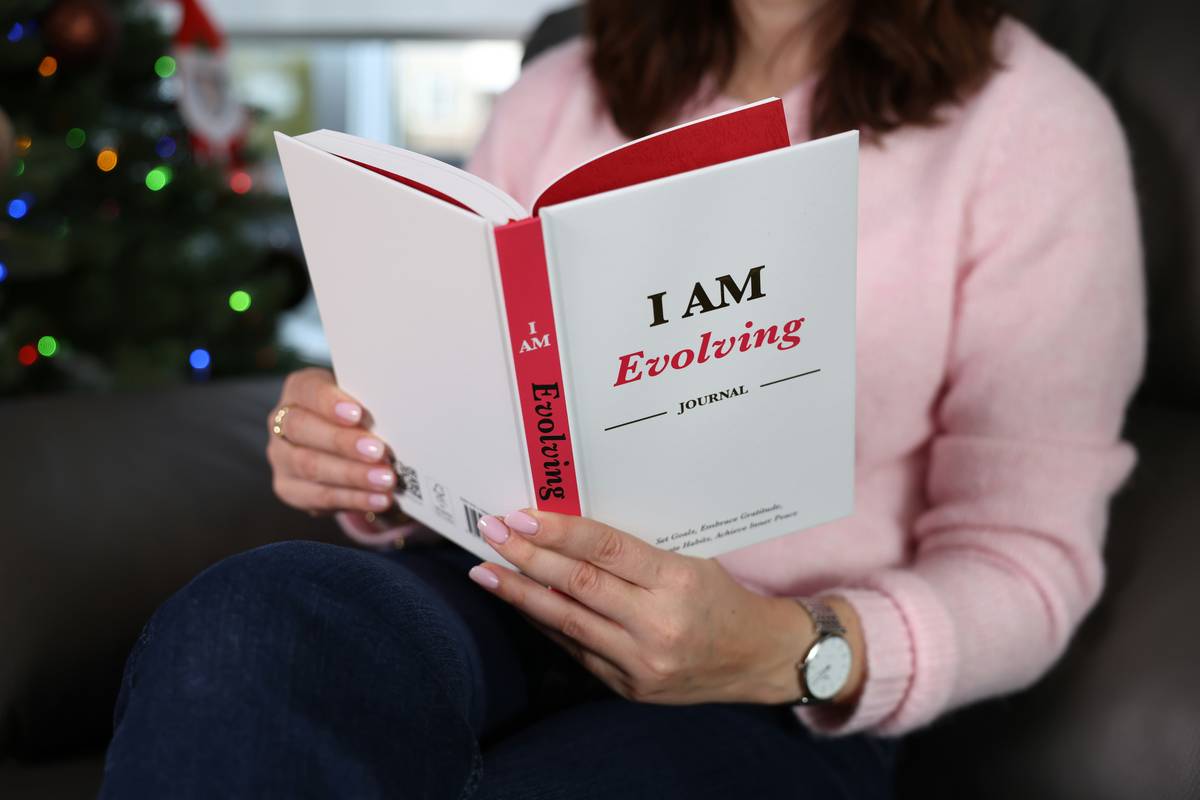
Mindset FAQs
How do I stop self-sabotage around food?
Catch the trigger → pause for 90 seconds (lets cortisol drop) → ask: “Will this choice honor me 3 hours from now?” Most cravings pass in 10 minutes if you don’t feed the story.
Can mindset really override genetics?
Not override—but optimize. You can’t change DNA, but epigenetic expression responds powerfully to stress management, sleep, and consistent nourishment. Your thoughts shape your biology daily.
What if I’ve failed every diet?
You haven’t failed—you’ve gathered data. Every “relapse” reveals a mismatch between your strategy and your psychology. Now, align them.