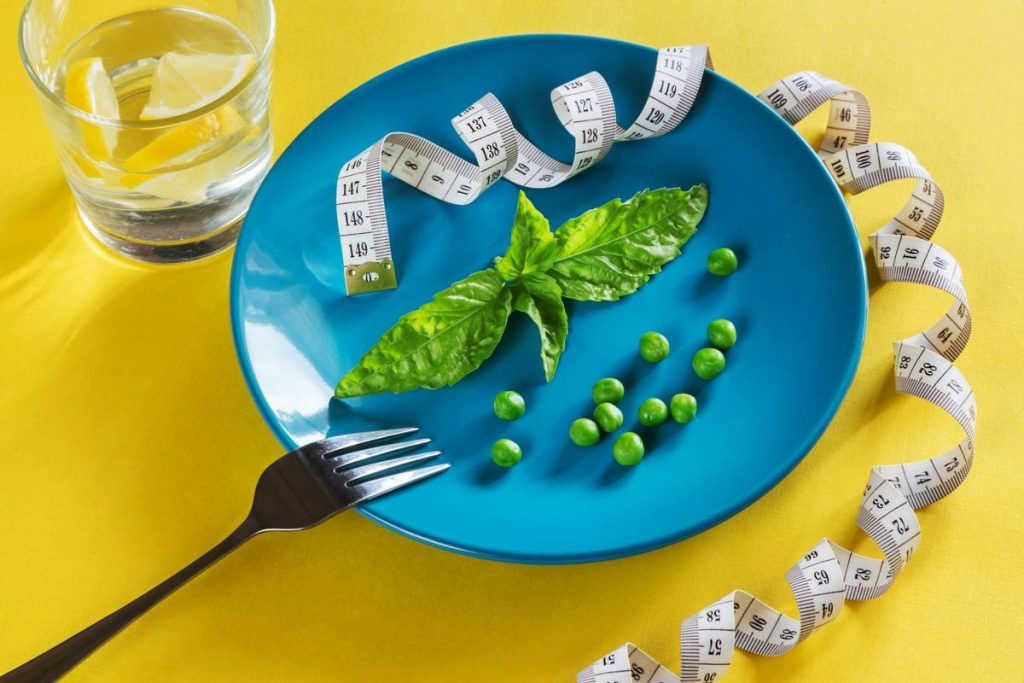
You set a bold weight loss goal. You start strong—meal prepping, hitting the gym, logging every calorie. Then… life happens. Two weeks in, motivation evaporates. And your progress stalls. Why? Because willpower alone is a terrible strategy. The real solution isn’t another fad diet—it’s Goal Tracking Tools that create structure, feedback, and momentum when enthusiasm fades.
Why Most Goal Tracking Fails (And What Really Derails Weight Loss)
Most people treat tracking like a chore—not a compass. They log data once or twice, see no immediate change, and quit. Here’s the reality: generic apps don’t understand the emotional rollercoaster of weight loss. A spreadsheet won’t cheer you on after a bad day. A scale doesn’t explain why your efforts feel invisible. Standard methods fail because they measure output—not behavior, not mindset, not resilience.
And worse—they’re often built for perfectionists. Miss one entry? The algorithm assumes you’ve given up. But real humans aren’t linear. We zigzag. We need tools that adapt to our humanity—not punish us for it.
Build Your Own Weight Loss Tracking System (Step by Step)
Forget rigid templates. Build a system that tracks what actually moves the needle: consistency, habits, and emotional triggers. Start simple. Evolve as you learn what works for *you*.
Step 1: Define Your Non-Scale Victories First
Weight fluctuates daily. Energy, mood, clothing fit—those are truer signals. List 3 non-scale wins you’ll track weekly. Example: “Walked 8K steps 5 days,” “Cooked at home 6 nights,” “Slept 7+ hours 4 nights.”
Step 2: Choose Your Primary Tool (Digital vs Analog)
Digital offers automation. Paper offers focus. Don’t overthink it—pick one and commit for 21 days. The best tool is the one you’ll actually use.
Step 3: Review Weekly—Not Daily
Daily check-ins breed obsession. Weekly reviews build strategy. Every Sunday, ask: “What worked? What didn’t? What’s one tiny tweak?” That’s how progress compounds.
| Tool Type | Best For | Cost | Motivation Boost Factor |
|---|---|---|---|
| Smartphone App (e.g., MyFitnessPal, Lose It!) | Calorie counting & macro tracking | Free–$10/month | Medium (if used selectively) |
| Bullet Journal + Habit Tracker | Visual progress & emotional reflection | $5–$20 (notebook) | High (tactile + customizable) |
| Wearable + Synced Dashboard (e.g., Fitbit, Apple Health) | Activity & sleep trends | $100–$400 (device) | Low–Medium (passive data only) |
| Accountability Partner + Shared Spreadsheet | Social reinforcement & honesty | Free | Very High (human connection) |
The Industry Secret: Track Inputs, Not Just Outcomes
Here’s what fitness gurus won’t tell you: obsessing over pounds lost is backward. Focus on inputs—the actions you control—and outcomes follow. One of my clients dropped 28 pounds in 5 months not by weighing herself daily, but by tracking just two inputs: protein grams per meal and evening walk duration. She ignored the scale until week 8. Why? Because behavioral consistency rewires motivation. When you prove to yourself you can show up—even imperfectly—you build identity-level confidence. That’s more powerful than any number on a screen. Goal Tracking Tools should serve this principle: make the right action obvious, easy, and rewarding.
Frequently Asked Questions
Do I need a paid app for effective goal tracking?
No. A $2 notebook with dated habit rows often outperforms expensive apps. Paid tools help if you need automated reminders—but discipline beats algorithms every time.
How often should I update my Goal Tracking Tools?
Once per day, max—ideally in under 60 seconds. If logging takes longer, you’ll quit. Weekly review is more critical than daily logging.
Can tracking actually reduce motivation?
Yes—if you tie self-worth to perfect data. Miss a day? Write “life happened” and restart. Tools should support you, not judge you.
Your turn. Stop chasing motivation—it’s unreliable. Build a tracking system so frictionless, so human, that showing up becomes automatic. Grab a notebook or open a blank note. Define three inputs you’ll own this week. Then act. Progress compounds in silence—until it doesn’t.