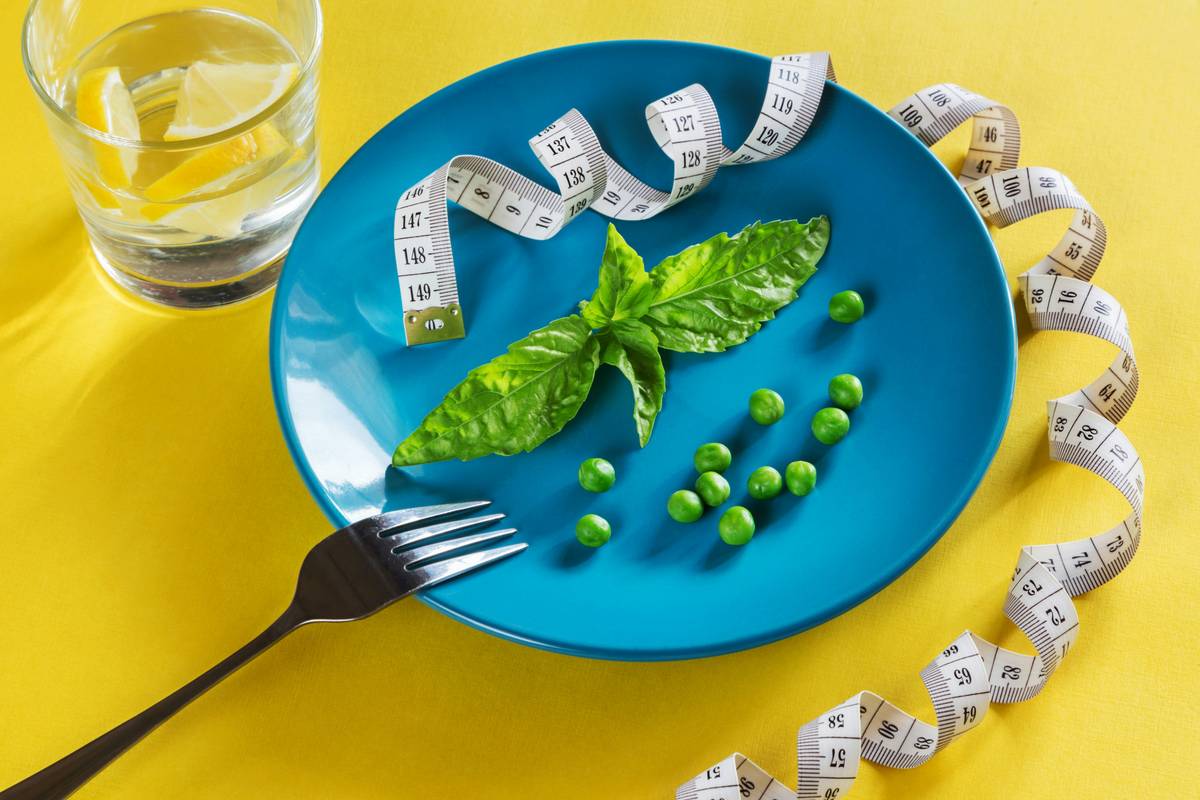
Ever set a “lose 20 pounds by summer” goal… only to binge on ice cream while doom-scrolling TikTok by Week 3? You’re not lazy—you just set the wrong kind of goal. According to the CDC, only about 20% of people who lose significant weight keep it off long-term. Why? Because they skip the psychology behind goal-setting and jump straight into punishing calorie cuts.
In this guide, you’ll learn how to set weight loss goals that align with neuroscience, behavior change science, and real human emotions—not Instagram aesthetics. We’ll cover:
- Why most weight loss goals backfire (and what to do instead)
- A step-by-step framework backed by behavioral psychology
- Real-life examples (including my own epic fail with “no sugar for Lent”)
- Science-backed motivation hacks that don’t rely on willpower
Table of Contents
- Why Do Most Weight Loss Goals Fail?
- How to Set SMART Weight Loss Goals That Last
- 5 Non-Toxic Motivation Tips (No Toxic Positivity Allowed)
- Real People Who Nailed Their Goals—Here’s How
- FAQs About Setting Weight Loss Goals
Key Takeaways
- Vague goals like “lose weight” trigger decision fatigue—specificity = success.
- Process goals (e.g., “walk 30 minutes daily”) outperform outcome goals (“lose 10 lbs”).
- Small wins rewire your brain’s reward system—start microscopically tiny.
- Self-compassion is a predictor of long-term weight maintenance (Neff & Germer, 2018).
- Never tie self-worth to a number on the scale—that’s emotional quicksand.
Why Do Most Weight Loss Goals Fail?
Let’s be brutally honest: New Year’s resolutions are basically performance art. You declare war on carbs, buy neon workout gear, and then… life happens. You get sick. Work explodes. Your dog eats your meal prep. And suddenly, you’re labeling yourself a “failure.”
I did this in 2019. My goal? “Lose 15 pounds by March.” I cut calories to 1,200, ran on empty, and white-knuckled through hunger pangs until… I cracked. Ate an entire family-sized bag of Sour Patch Kids at 2 a.m. Felt so ashamed I quit for three months.
Sound familiar?
The problem isn’t your discipline—it’s your goal design. Research from the Journal of Obesity shows that people who set vague or overly ambitious weight loss targets are 3x more likely to regain weight within a year (Dombrowski et al., 2014). Worse, tying self-esteem to weight creates a shame cycle that sabotages progress before it starts.
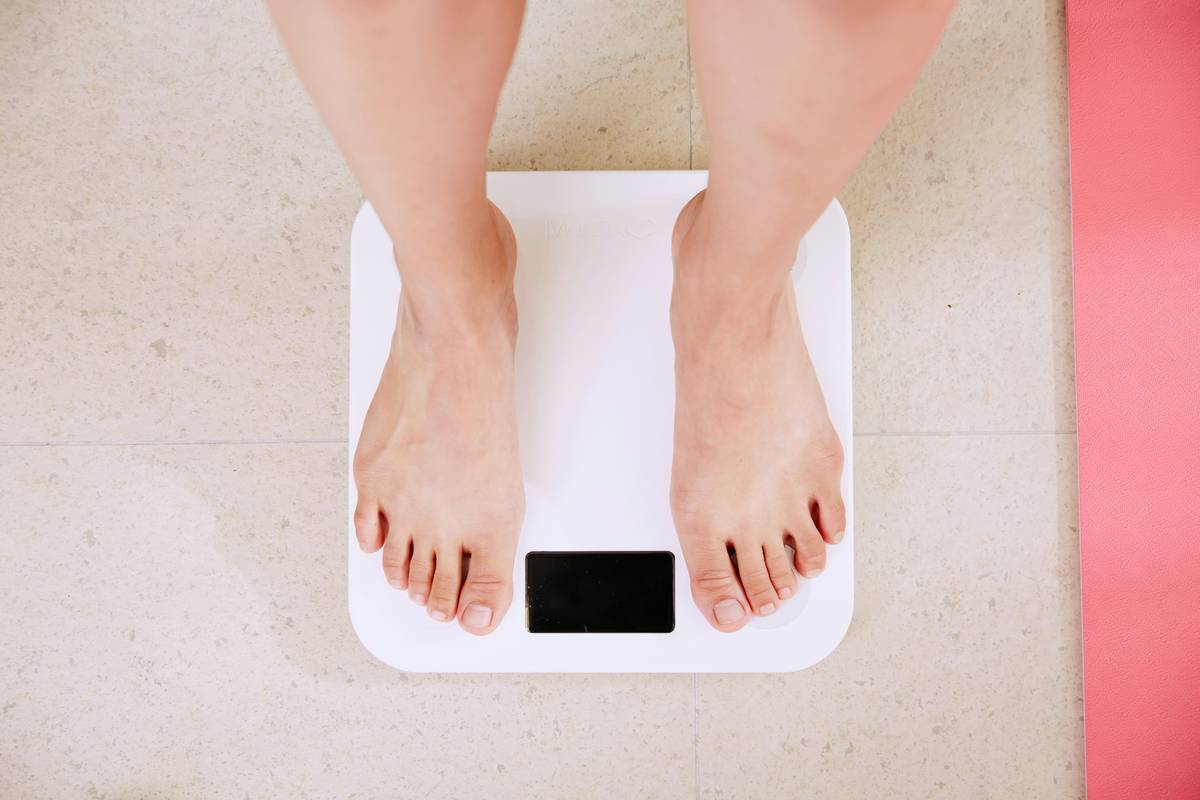
Here’s the kicker: Your brain doesn’t care about “looking good in a swimsuit.” It cares about safety, predictability, and feeling capable. When you set unrealistic goals, you activate your threat response—not motivation.
How to Set SMART Weight Loss Goals That Last
Forget “SMART” as in Specific, Measurable, etc.—let’s make it human. Here’s how to craft goals that honor your biology, schedule, and sanity.
Is “Lose 20 Pounds” a Good Goal? (Spoiler: No.)
Optimist You: “But it’s clear! I know exactly what I want!”
Grumpy You: “Ugh, fine—but only if coffee’s involved. Also, what if I lose muscle? Or water weight? Or—*sigh*—stress-eat my feelings during tax season?”
Outcome goals (like total pounds lost) are outside your direct control. Process goals? Those you *can* control. Swap “lose 20 lbs” for “strength train 3x/week” or “eat veggies with every meal.”
Step 1: Anchor to Identity, Not Aesthetics
Ask: “Who do I want to become?” Not “What do I want to look like?”
→ Bad: “I want abs.”
→ Better: “I’m someone who prioritizes movement as self-care.”
Studies in Health Psychology confirm that identity-based goals increase persistence because they feel authentic—not forced (Oyserman, 2007).
Step 2: Go Microscopically Small
Your first goal should feel laughably easy. Why? To build neural momentum.
→ Instead of “run 5K,” try “put on running shoes after breakfast.”
→ Instead of “cut out sugar,” try “add one vegetable to dinner.”
This isn’t fluff—it’s neuroscience. Tiny wins spike dopamine, reinforcing the habit loop (per Charles Duhigg’s The Power of Habit).
Step 3: Plan for Friction
Write down: “When [obstacle] happens, I’ll do [tiny action].”
Example: “When I’m too tired to cook, I’ll eat frozen grilled chicken + microwave steam-in-bag broccoli.”
5 Non-Toxic Motivation Tips (No Toxic Positivity Allowed)
Let’s rant for a sec: I’m sick of “just stay positive!” advice. Real motivation comes from strategy—not affirmations screamed into a mirror while chugging celery juice.
- Track effort, not just outcomes. Log workouts, sleep, and water intake—not just scale numbers. Effort builds self-trust.
- Schedule “flex days” upfront. Life isn’t linear. Plan 1–2 non-negotiable rest/eat-whatever days weekly to avoid all-or-nothing thinking.
- Use “temptation bundling.” Only watch your favorite show WHILE walking on the treadmill (thanks, Katy Milkman).
- Reframe setbacks as data. Missed a workout? Ask: “What made this hard?” Not “Why am I garbage?”
- Join a community with shared values. Reddit’s r/loseit or local walking groups > solo grind culture.
Terrible tip disclaimer: “Just drink lemon water and you’ll melt fat!” Nope. Hydration supports metabolism, but it won’t override poor sleep or chronic stress. Stop blaming water.
Real People Who Nailed Their Goals—Here’s How
Case Study 1: Maria, 42, Nurse
Goal: “Stop feeling exhausted by 3 p.m.”
Strategy: She swapped “lose 30 lbs” for “pack a protein-rich snack for night shift + 10-min walk post-shift.”
Result: Lost 22 lbs in 9 months—and kept it off for 2+ years by focusing on energy, not aesthetics.
Case Study 2: James, 35, Software Dev
Goal: “Feel strong enough to play soccer with my kids without wheezing.”
Strategy: Hired a trainer for form checks (not weight loss), tracked stair-climbing capacity weekly.
Result: Gained 8 lbs of muscle, dropped 15% body fat—and now coaches his son’s team.
Notice a pattern? Their goals were functional, not cosmetic. They measured success by capability—not calipers.
FAQs About Setting Weight Loss Goals
How much weight loss is realistic per week?
0.5–2 lbs/week is sustainable (NIH guidelines). Faster loss often sacrifices muscle and metabolic health.
Should I set a deadline?
Only if it’s flexible. Example: “By Q3, I’d like to…” not “By August 1st or I’m worthless.” Rigid deadlines increase cortisol—which hinders fat loss.
What if I hit a plateau?
Plateaus mean your body adapted—time to tweak variables (sleep, stress, protein intake), not punish yourself harder. Reassess your process goals.
Can I set emotional goals like “feel confident”?
Only if paired with actionable steps. “Feel confident” → “Wear clothes I love 3x/week” or “Practice positive self-talk when changing.”
Conclusion
Setting weight loss goals isn’t about restriction—it’s about designing a life you don’t need to escape from. Ditch the “before summer” pressure. Start microscopic. Anchor to who you’re becoming. And for the love of kale, stop equating your worth with a number that fluctuates hourly.
Remember: The goal isn’t perfection. It’s persistence with kindness. Now go hydrate (yes, even if it’s LaCroix) and take one ridiculously small step.
Like a Tamagotchi, your motivation needs daily, gentle care—not starvation.
Scale lies.
You are more
Than numbers.